Biomedical engineering is rapidly reshaping the future of global healthcare. With advancements in medical devices, diagnostics, and therapeutic technologies, the demand for skilled professionals continues to grow. As students seek institutions that blend innovation with practical learning, the Top Biomedical Engineering College stands out for its commitment to excellence, modern infrastructure, and industry-ready training.
How innovation drives modern healthcare
Healthcare today is powered by engineering breakthroughs. These breakthroughs help doctors diagnose diseases faster, treat patients more effectively, and improve overall quality of life. Because these innovations evolve constantly, students must learn in environments that encourage creativity, problem-solving, and interdisciplinary learning.
Excellence at the Top Biomedical Engineering College
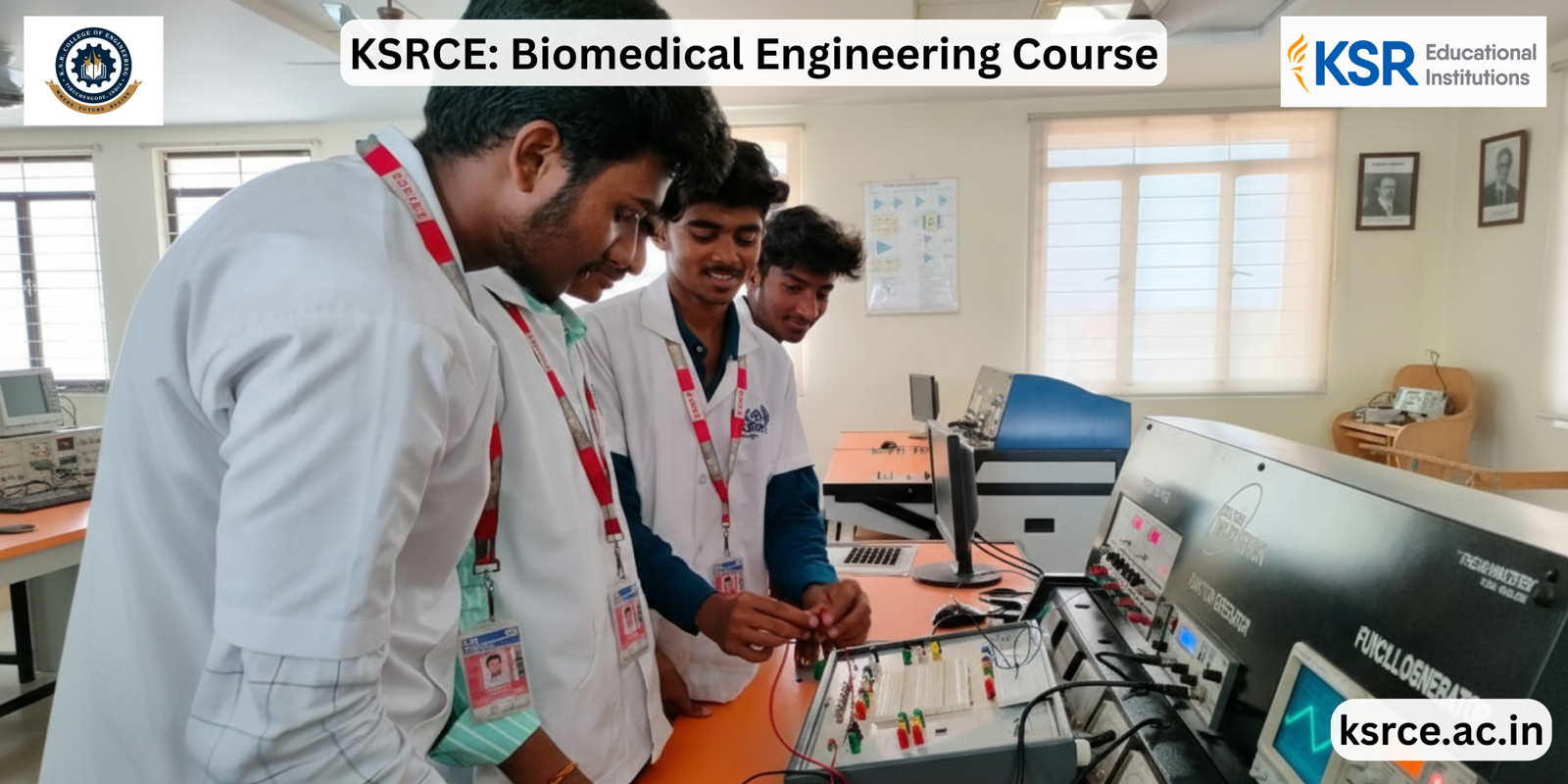
At the heart of this transformation is the Top Biomedical Engineering College, which integrates biology, technology, and engineering in a seamless way. Its curriculum focuses on practical skills, ethical learning, and exposure to real-world challenges. Students gain hands-on experience through labs, internships, and industry collaborations that prepare them for competitive careers in healthcare technology.
Key highlights of Biomedical Engineering
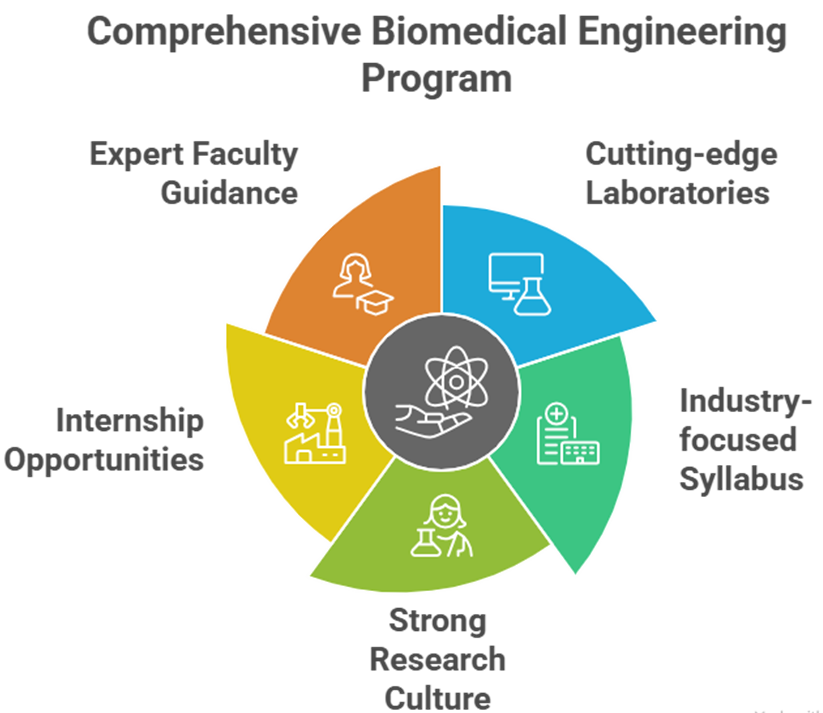
- Cutting-edge laboratories equipped for medical device design, biomaterials testing, and biomechanics experiments
- Industry-focused syllabus aligned with healthcare needs and global standards
- Strong research culture supporting patents, publications, and interdisciplinary projects
- Opportunities for internships in hospitals, healthcare companies, and biomedical firms
Guidance from expert faculty with experience in medical technology and clinical engineering
Biomedical Engineers : Building the future of healthcare
Biomedical engineers bridge the gap between engineering and medicine. They design safer devices, refine therapeutic tools, and support hospitals with critical technology. Their contributions include:
Medical Device Innovation
Devices such as ventilators, imaging systems, prosthetics, and monitoring tools improve patient care every day. Students trained at the Top Biomedical Engineering College learn how to design, test, and maintain these essential technologies.
Emerging areas of growth
Modern healthcare depends on several engineering applications, such as:
- Tissue engineering and regenerative medicine
- Computational biology and data-driven healthcare
- Wearable sensors and IoT-enabled monitoring
- Advanced biomaterials for implants and drug delivery
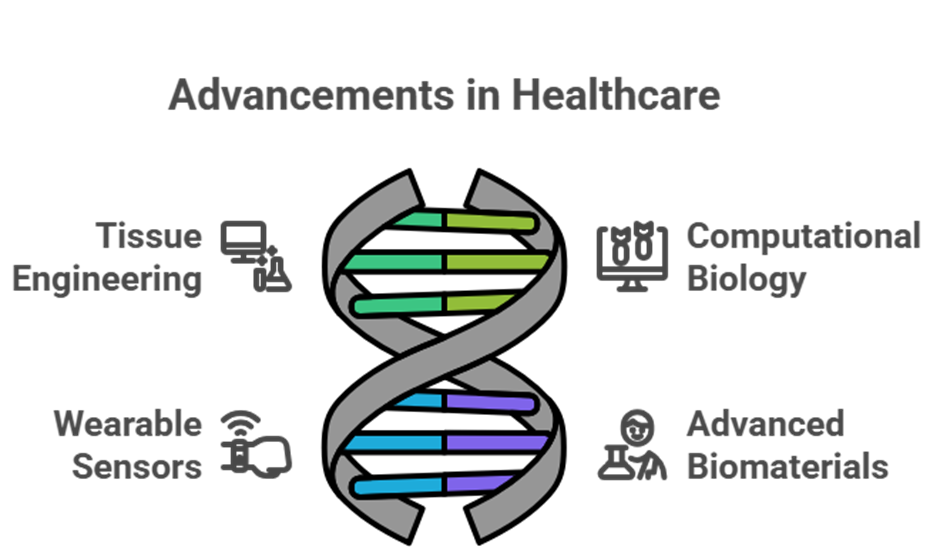
These fields continue to expand, allowing students to explore new research areas while strengthening their technical foundations.
Why students choose Biomedical Engineering
Students are drawn to biomedical engineering because it offers meaningful career opportunities. They can contribute to life-saving innovations, work directly with healthcare systems, or pursue advanced research. With support from an institution that nurtures creativity, they can develop solutions that make healthcare more accessible and efficient. Training at the Top Biomedical Engineering College ensures they gain the confidence and skills required to step into global roles across hospitals, industries, and research centers.
Shaping the future of healthcare
Biomedical engineering is more than a field of study it is a gateway to transforming human health. As technology becomes central to modern medicine, institutions committed to innovation play a crucial role in shaping the next generation of engineers. With the right mentorship, learning environment, and hands-on exposure, students can become leaders who redefine healthcare for the future.