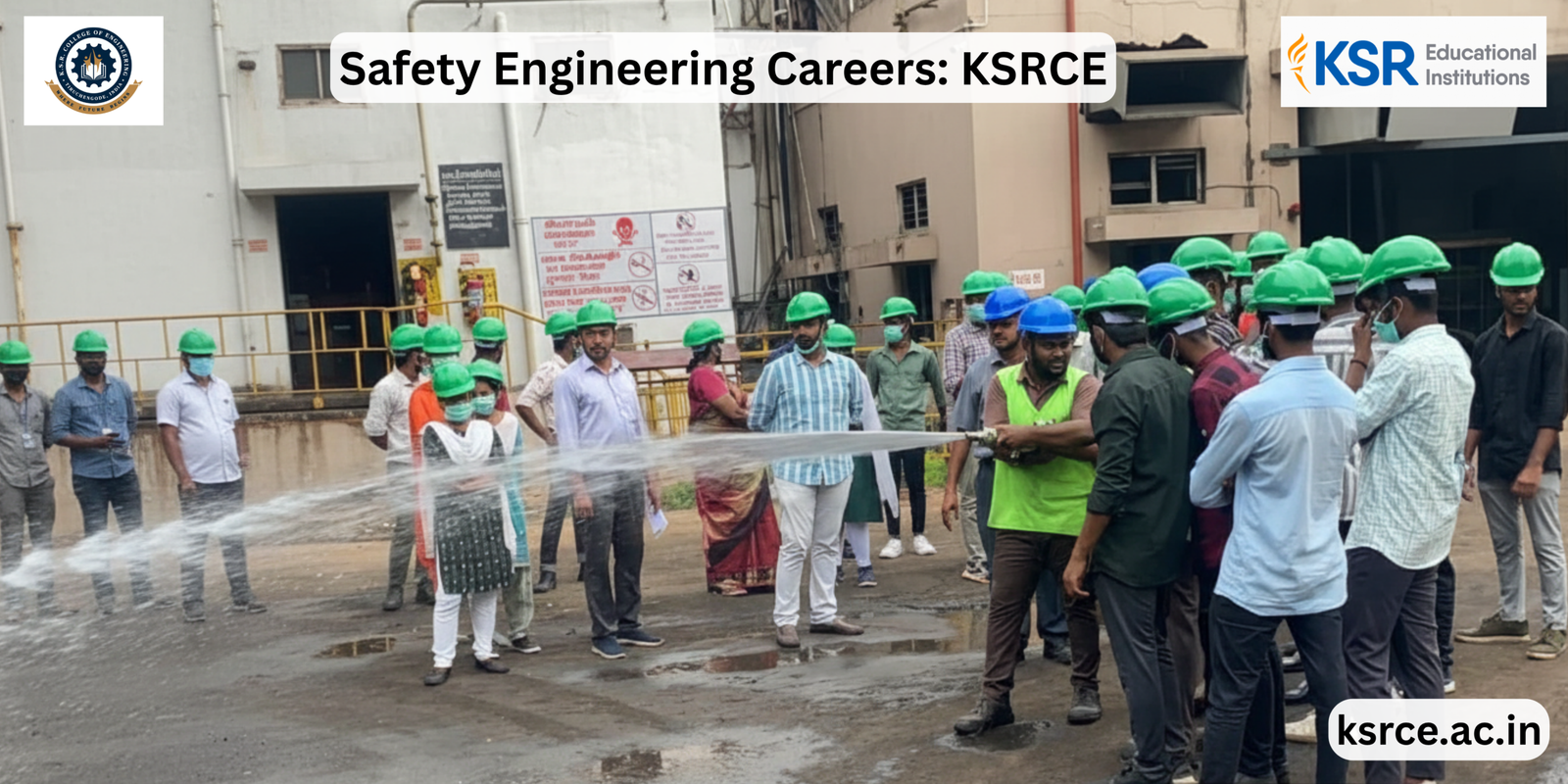
In today’s fast changing industrial world safety is no longer optional. It is a core responsibility. Organizations now focus on prevention planning and protection at every stage of operation. Safety Engineering Careers play a vital role in building secure workplaces and reducing risks across industries. These careers combine engineering knowledge with safety principles to protect human lives assets and the environment. As industries expand safety engineers continue to be in high demand making this field both meaningful and future ready.
The importance of safety engineering in modern society
Safety engineering focuses on identifying hazards and controlling risks before accidents occur. Therefore it helps organizations avoid losses and maintain trust. Moreover it ensures compliance with legal and ethical standards. Engineers in this field work closely with management teams and technical staff to design safer systems. As a result safety becomes part of everyday operations rather than an afterthought.
Safety engineering also supports sustainable development. When workplaces are safe productivity improves and employee morale increases. Consequently industries grow responsibly while protecting people and resources.
Safety engineering careers in modern industries
Safety engineers are employed across many sectors that involve complex processes and high risk environments. These professionals assess systems design safety protocols and implement preventive measures. Their role is critical in industries where even small errors can lead to major consequences.
Key sectors that rely on safety engineers include
- Oil and gas production and refining
- Chemical processing and pharmaceuticals
- Construction and infrastructure development
- Manufacturing and automation
- Power plants and renewable energy systems
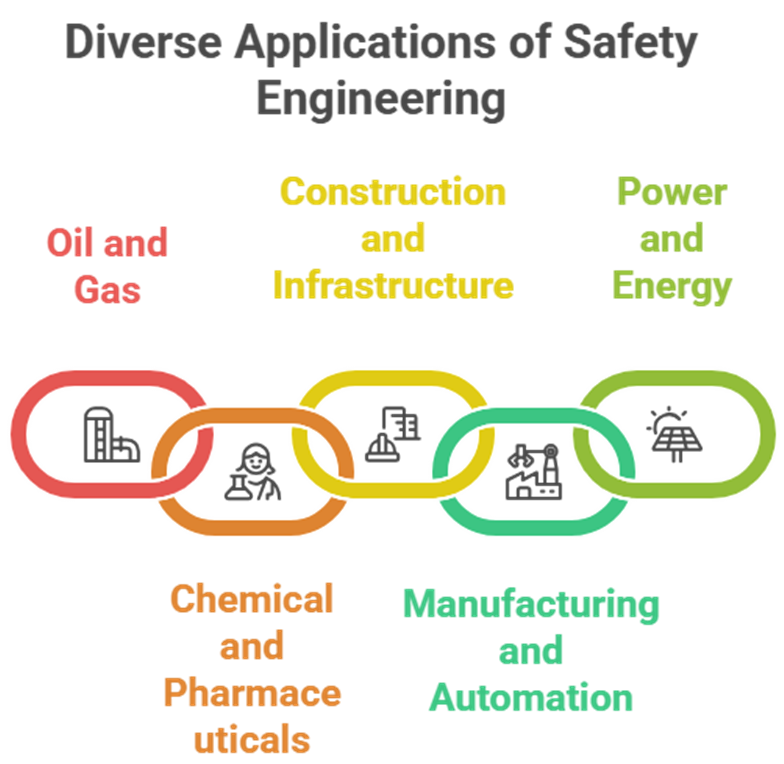
Through Safety Engineering Careers graduates gain opportunities to work in both national and global organizations. This exposure helps them develop strong technical and leadership skills.
Skills and knowledge required for safety engineers
A successful safety engineer needs both technical expertise and practical awareness, along with strong communication and decision-making skills—qualities that are also developed through extracurricular programs like clubs, NSS, and NCC, Safety engineers must explain risks clearly and guide teams toward safer practices.
Core competencies include
- Hazard identification and risk assessment
- Knowledge of safety laws and standards
- Fire protection and emergency planning
- System reliability and accident investigation
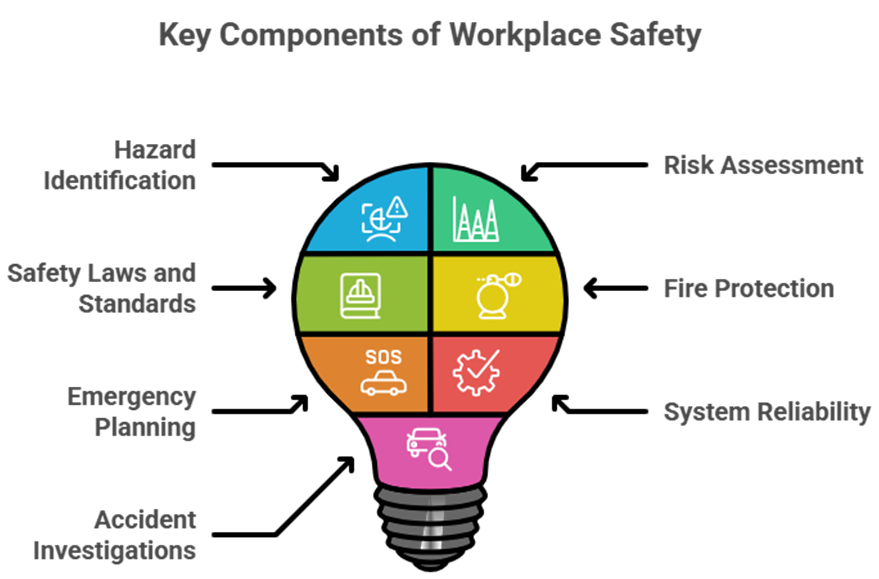
With these skills professionals in Safety Engineering Careers contribute directly to accident prevention and operational excellence.
Career growth and professional opportunities
Safety engineering offers steady career growth and long term stability. Entry level engineers often begin as safety officers or site safety engineers. Over time they move into senior roles such as safety managers auditors or consultants. Some professionals also pursue research or academic careers.
Additionally industries value certified professionals. Certifications enhance credibility and open doors to leadership roles. As industries adopt advanced technologies the demand for skilled safety experts continues to rise. Therefore Safety Engineering Careers remain relevant and respected across sectors.
Future outlook of safety engineering
Safety engineering is a profession with purpose responsibility and impact. It protects people supports industries and promotes sustainable growth. For students seeking a meaningful engineering career this field offers both service and success. With proper education training and commitment Safety Engineering Careers empower professionals to build a safer future for all.