The industry institute interaction cell plays a crucial role in connecting academic institutions with industries to improve the practical knowledge and professional skills of students. In today’s competitive world, engineering education requires more than classroom learning. In today’s competitive world, engineering education requires more than classroom learning.
Students need industrial exposure, technical expertise, and real-time experience to meet industry expectations, which is why institutions increasingly focus on structured placement training and career readiness programmes. The cell helps bridge the gap between academic learning and industrial requirements by creating opportunities for collaboration, training, and skill development.
Educational institutions focus on building strong academic foundations, while industries expect graduates to possess practical problem-solving abilities and workplace readiness. The industry institute interaction cell works as a platform that strengthens communication between industries and institutions. It supports students by providing industrial exposure and preparing them to become industry-ready engineers capable of adapting to modern technological advancements and professional environments.
Importance of the Industry Institute Interaction Cell
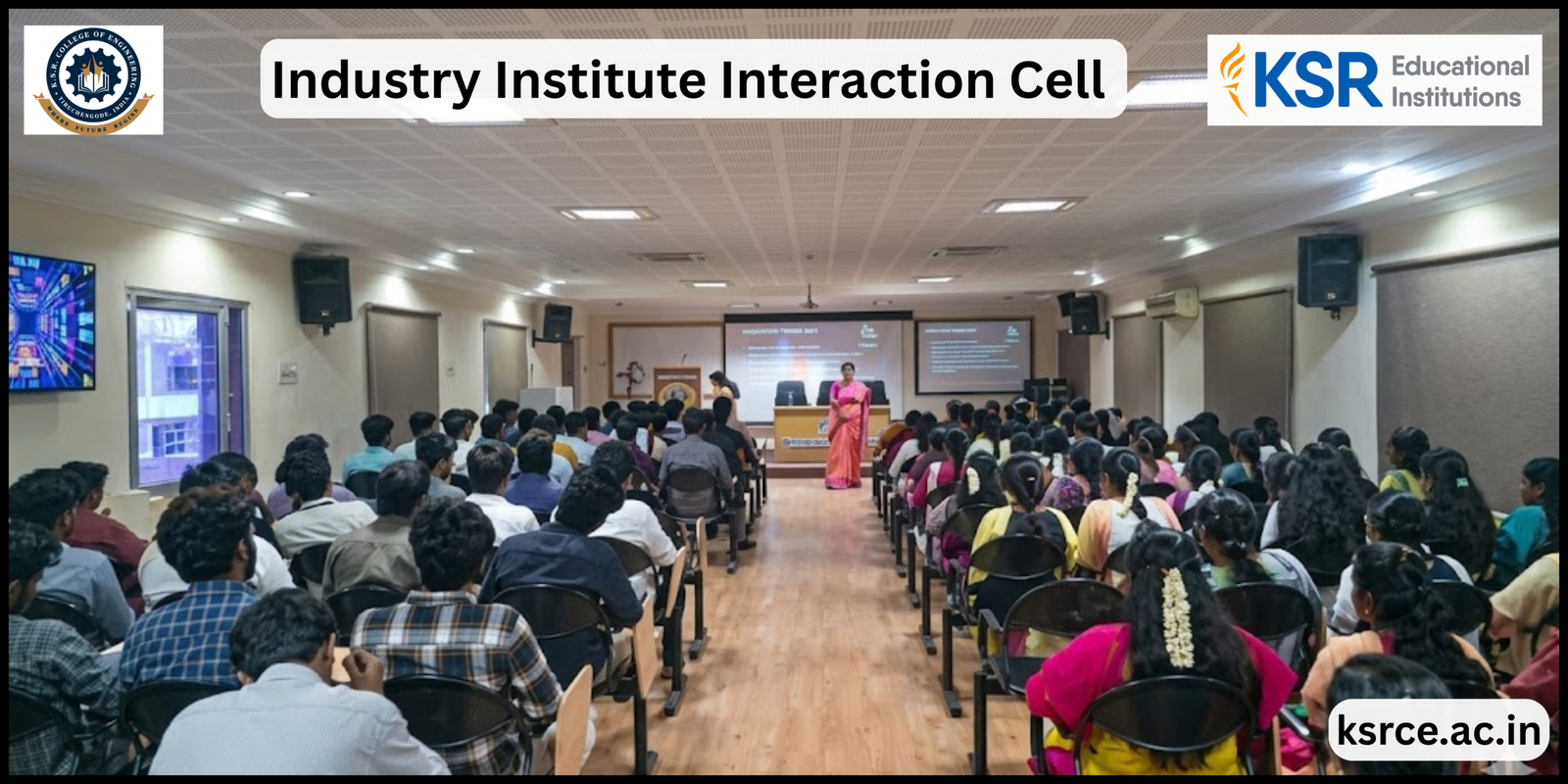
The industry institute interaction cell supports institutions in organizing activities that improve technical knowledge and industrial awareness among students and faculty members. Workshops, seminars, conferences, symposiums, and expert lectures are conducted regularly with industrial participation. These activities help students understand emerging technologies, industrial expectations, and career opportunities.
The cell also assists departments in arranging internships, industrial visits, and training sessions, while encouraging students to participate in technical clubs that strengthen industry-relevant skills beyond the classroom. Such experiences allow students to gain practical knowledge beyond textbooks and understand real-time industrial operations. Faculty members also benefit through industrial collaborations, consultancy opportunities, and research activities that strengthen academic quality.
Major Functions of the Cell:
- Organizing workshops and technical seminars
- Arranging internships and industrial visits
- Supporting research and consultancy activities
- Encouraging collaboration with industries
- Coordinating expert lectures and training sessions
- Assisting departments in project development
- Promoting skill development initiatives
Supporting Practical Learning and Professional Growth
One of the major responsibilities of the industry institute interaction cell is organizing industrial training programmes for students, faculty members, and staff. These programmes provide practical exposure to industrial processes, technologies, and workplace culture. Through such training, students gain confidence, technical competence, and professional communication skills that improve their employability.
The cell also helps institutions establish strong relationships with industries through Memorandums of Understanding (MoUs), collaborative projects, and wider academic partnerships that create global learning opportunities for students. Industry experts are invited as visiting faculty members to share practical insights and train students in recent technologies. In addition, the cell supports the establishment of Centres of Excellence and industry-sponsored research laboratories within institutions.
Benefits of Industry Interaction Activities:
- Enhances practical and technical knowledge
- Improves employability skills among students
- Encourages innovation and research culture
- Provides exposure to real-time industrial practices
- Strengthens academic and industrial collaboration
- Supports career development opportunities
Building a Strong Future for Students
The industry institute interaction cell plays an essential role in improving the quality of engineering education and preparing students for successful careers. By promoting industrial exposure, technical training, and collaborative learning opportunities, the cell helps students become confident professionals ready to meet industry demands — a study on university–industry collaboration highlights that industry engagement significantly improves graduate employability, practical skills, and workplace readiness. Through continuous interaction between academia and industries, institutions can create a stronger learning environment that supports innovation, research, and long-term professional growth, a benefit widely recognized in studies on university–industry collaboration and graduate employability.