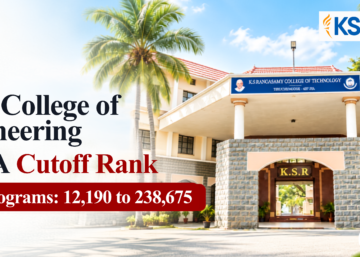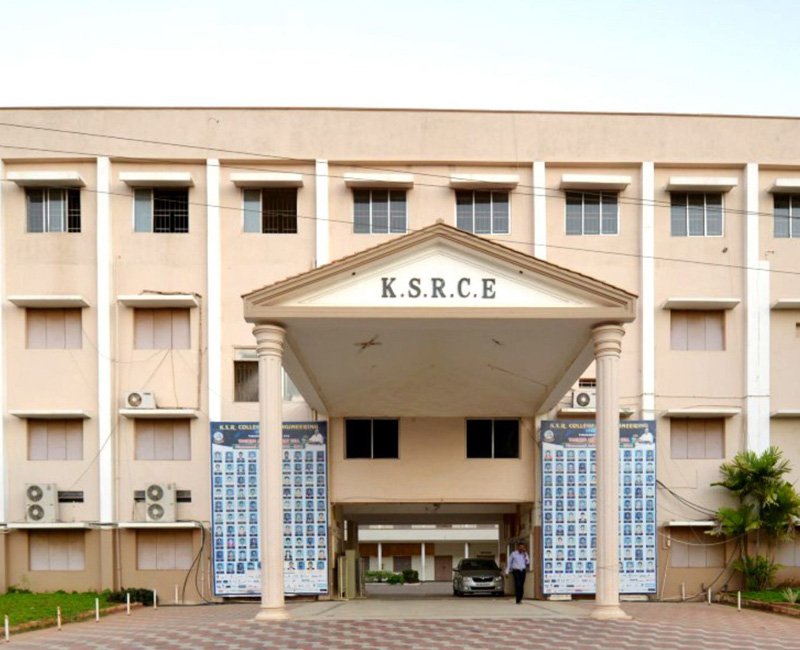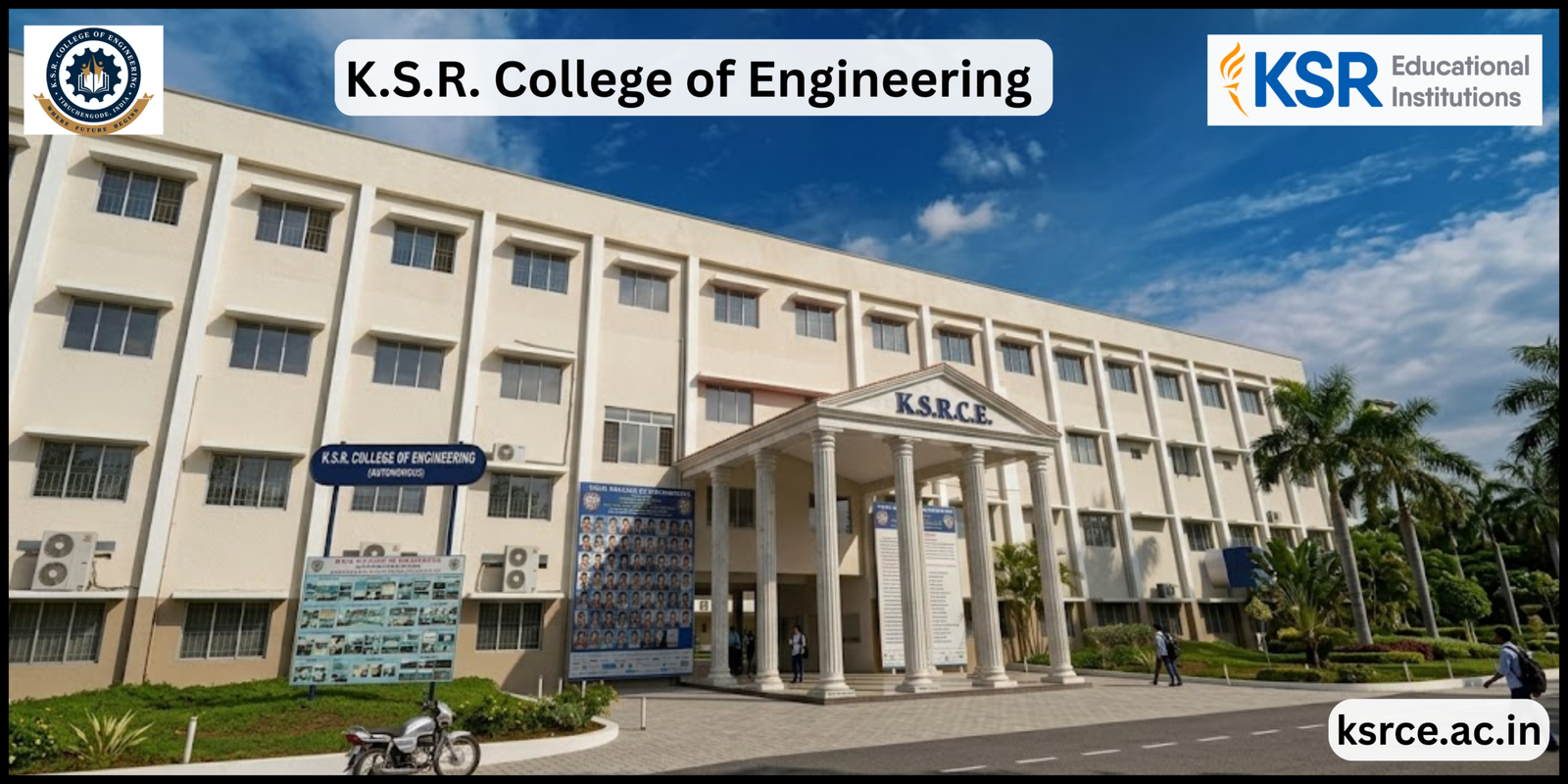
K.S.R. College of Engineering is one of the leading educational institutions committed to delivering quality technical education through innovative teaching practices and industry-oriented learning. As an autonomous institution affiliated with Anna University, Chennai, the college focuses on maintaining high academic standards while preparing students to meet modern industrial and technological demands. With a strong emphasis on academic excellence, practical exposure, and skill development, the institution creates a learning environment that supports both personal and professional growth.
Being an autonomous engineering college, K.S.R. College of Engineering has the flexibility to regularly update its curriculum according to industry trends and technological advancements. This helps students gain knowledge that is relevant to current market requirements. The institution follows a semester-based education system that combines theoretical learning with practical applications to improve student understanding and performance.
Curriculum and Teaching Methodologies
The academic structure at K.S.R. College of Engineering is carefully designed to provide students with strong technical knowledge and professional skills. The college offers a wide range of undergraduate and postgraduate programmes that encourage innovation, research, and career readiness. Currently, the institution provides 12 B.E./B.Tech programmes, 10 M.E./M.Tech programmes, along with MBA and MCA courses.
You can explore the full range of UG offerings here: Best UG Engineering Courses in Namakkal – Explore 13 UG Programmes at KSRCE.
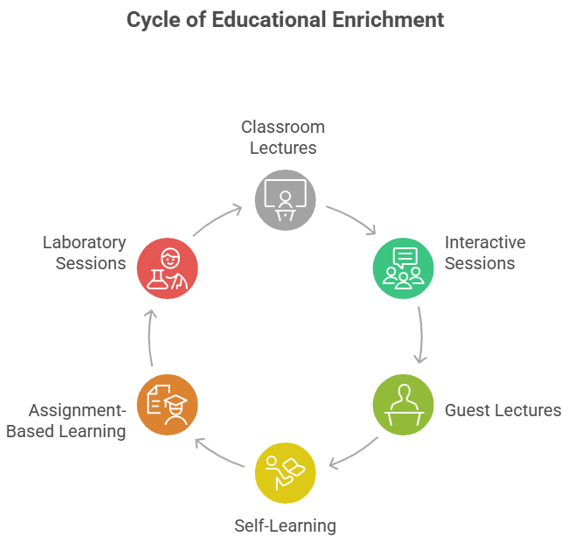
The institution follows modern teaching methodologies that support interactive and effective learning experiences. Faculty members use multiple approaches to ensure students gain both conceptual understanding and practical knowledge.
Teaching Methods Include:
- Classroom lectures and interactive sessions
- Guest lectures by industry experts
- Self-learning and assignment-based learning
- Practical laboratory sessions
- Mini projects and academic projects
- Periodical tests and evaluations
- Continuous feedback and performance improvement
The B.E./B.Tech programmes span eight semesters over four years and follow the evaluation norms prescribed by Anna University.
Internal assessments and external examinations are conducted systematically to maintain transparency and academic discipline.
Commitment to Quality Education
As one of the reputed institutions offering AICTE approved engineering programs, the college ensures that students receive education that meets national academic and professional standards. The institution continuously improves its curriculum and infrastructure to support advanced learning and research activities.
The admission process at K.S.R. College of Engineering is strictly based on merit. Government Quota admissions are conducted through the single-window counseling system organized by the Directorate of Technical Education (DOTE), Chennai.
Management Quota admissions are carried out through the consortium of engineering colleges for a complete walkthrough, see KSRCE Counselling Process: Step-by-Step Guide to Admissions and Eligibility. This transparent admission system ensures equal opportunities for deserving students.
Key Strengths of the Institution:
- Industry-oriented curriculum structure
- Experienced faculty members
- Modern laboratories and infrastructure
- Focus on practical and technical learning
- Continuous academic evaluation system
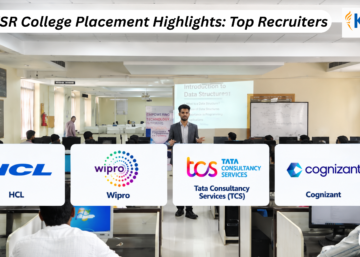
- Strong placement and career support
Building Future-Ready Professionals
K.S.R. College of Engineering continues to maintain its reputation for academic excellence by combining quality education with practical exposure and skill development. Through updated curriculum structures, effective teaching methodologies, and student-centered learning approaches, the institution prepares students to become successful professionals capable of contributing to technological innovation and industrial growth.
This focus mirrors broader research on engineering education and graduate employability as examined in this study on engineering education challenges and strengths from key-stakeholder perspectives, which highlights how curriculum design and competency development directly shape industry readiness.