
Imagine receiving an alert when an important file changes or spotting suspicious activity on your computer network. These are real problems that cybersecurity professionals work to solve.
Building cybersecurity projects for students helps engineering learners understand digital threats, practise defensive techniques and develop technical skills beyond classroom lessons.
Which Cybersecurity Projects Are Best for Beginners?
Students interested in understanding the academic foundations of cybersecurity can explore KSRCE CSE Cyber Security Course: A Future-Ready Program for the Digital Era to learn about security-related subjects and career opportunities.
6 Best Cybersecurity Projects for Students
1. Cybersecurity Home Lab
Create a controlled virtual environment using VirtualBox with Ubuntu or another operating system.
Practise configuring systems, installing security updates and restoring virtual machine snapshots.
Skills learned: System security, virtualisation and network configuration.
2. Network Traffic Analyzer
Use Wireshark to examine packet captures from your own network or approved sample files.
Learn how devices exchange information and identify unexpected communication patterns.
Skills learned: TCP/IP, packet analysis and network security.
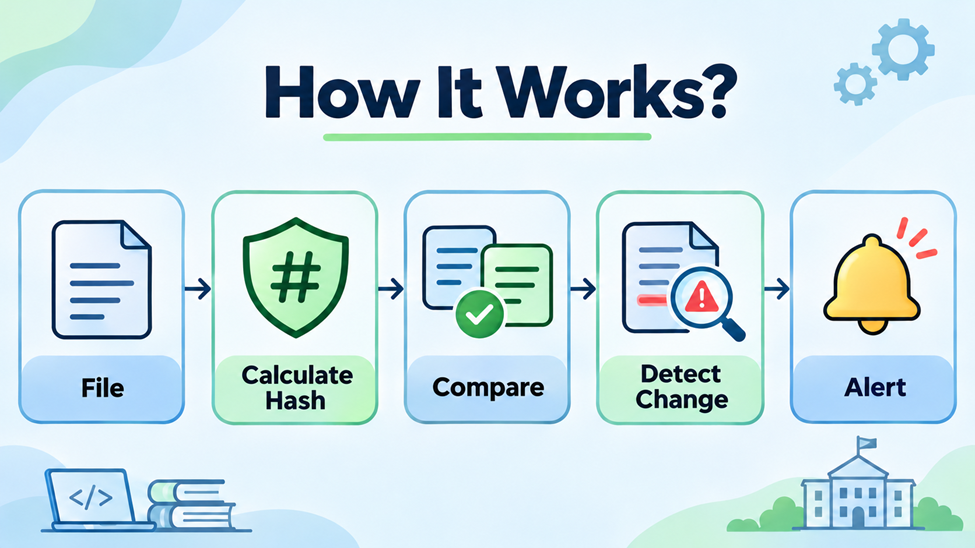
3. File Integrity Monitoring System
Write a Python script that calculates SHA-256 hashes and alerts you when monitored files change.
Skills learned: File handling, cryptographic hashing and change detection.
4. Password Strength Checker
Develop a Python application that checks password length, common patterns and weak combinations without storing users’ passwords.
Skills learned: Python programming, input validation and authentication basics.
5. Security Log Monitoring Dashboard
Use Wazuh to collect login events from your own test system and display security alerts.
Start by analysing failed login attempts and identifying unusual activity.
Skills learned: Log analysis, event monitoring and security reporting.
6. Phishing Awareness Simulation
Create a classroom simulation using fictional emails and harmless example links.
Students can identify suspicious messages and practise recognising phishing warning signs without sending deceptive emails to real users.
Skills learned: Email security, phishing detection and security awareness.
Which Project Should You Start With?
Choose a project based on your current technical knowledge.
| Experience Level | Recommended Projects |
| Beginner | Password Strength Checker, File Integrity Monitor |
| Basic Networking Knowledge | Home Lab, Network Traffic Analyzer |
| Ready for Advanced Practice | Log Monitoring Dashboard, Phishing Awareness Simulation |
Begin with one cybersecurity project idea, test it using sample data and document the results.
How Can You Build a Strong Cybersecurity Portfolio?
Completing a project is useful. Explaining how you built and tested it makes your work more valuable.
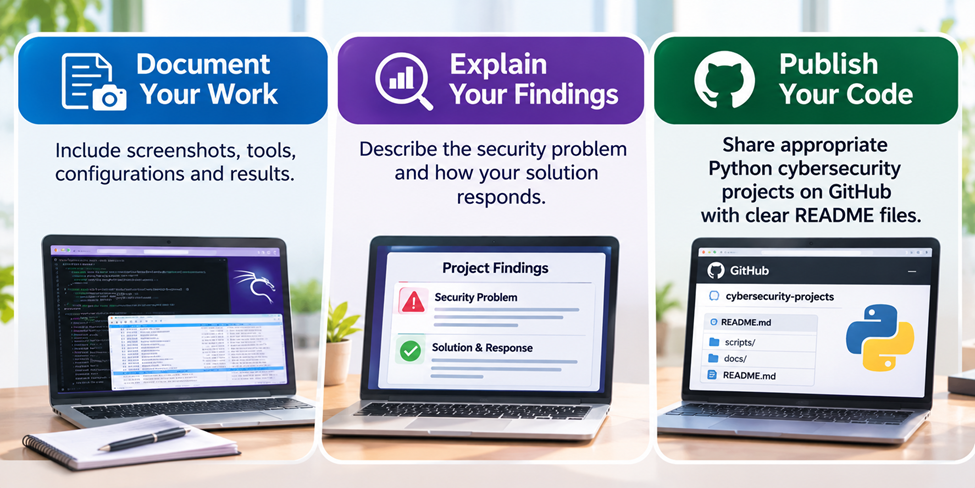
Safety first: Perform security testing only on systems you own or have explicit permission to use.
Develop Practical Cybersecurity Skills at KSRCE
K.S.R. College of Engineering (KSRCE) encourages technical learning through academic activities and student clubs.
Its Hackers Club provides a relevant starting point for exploring cybersecurity concepts and collaborative technical learning.
Turn Security Knowledge Into Practical Experience
Learning cybersecurity becomes more meaningful when students understand how to protect systems and investigate problems. Students can also explore Python Projects for Beginners: 10 Practical Ideas for Engineering Students to practise programming fundamentals useful for building file-monitoring tools, password checkers and other defensive security applications.
Start with a manageable project, test it carefully and build a portfolio that demonstrates your cybersecurity skills.
FAQs
1. Can beginners build cybersecurity projects without coding?
Yes. Tools such as Wireshark and VirtualBox allow beginners to learn security concepts before developing Python scripts.
2. Which programming language is useful for cybersecurity projects?
Python is useful for automating file checks, analysing logs and building defensive security tools.
3. Are cybersecurity projects useful for placements?
Yes. Well-documented projects can demonstrate practical knowledge, troubleshooting and security awareness during technical interviews.
For practical guidance on strong passwords, phishing awareness and protecting digital accounts, explore CISA’s Secure Our World cybersecurity resources, published by the U.S. Cybersecurity and Infrastructure Security Agency.