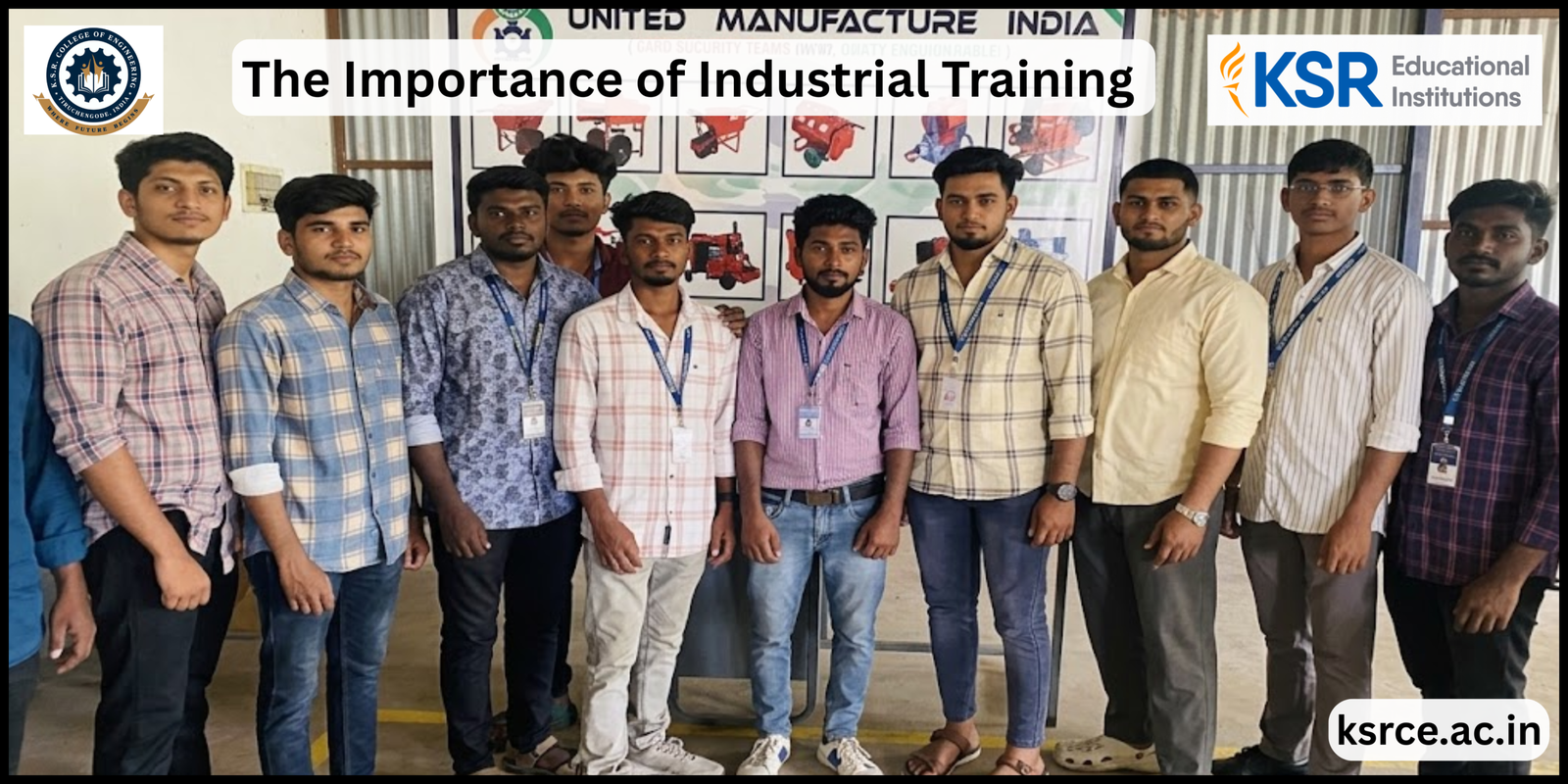
Industrial training programmes play an important role in preparing students for professional careers by providing practical exposure and real-time industrial experience. In today’s competitive environment, academic knowledge alone is not sufficient for career success. Students must understand how industries function, how technologies are applied in workplaces, and how professional environments operate. Industrial training helps students bridge the gap between classroom learning and practical implementation, an objective strongly supported through the Industry Institute Interaction Cell, which promotes industry–academia collaboration and practical learning opportunities.
The primary objective of an industrial training programme is to equip students with hands-on experience and technical knowledge related to industry-standard tools, technologies, and processes. Through training sessions, students gain the opportunity to apply theoretical concepts in practical working environments.
This experience improves their technical abilities, confidence, communication skills, and overall professional development, helping students make a successful transition through placement training programmes that prepare them for corporate careers.
Importance of Industrial Training for Students
An effective industrial training programme provides students with exposure to organizational workflows, workplace discipline, and industry expectations. Students learn how teams function within companies, how projects are managed, and how professional responsibilities are handled in real-time environments. This practical exposure helps students adapt more easily to future employment opportunities.
Training programmes also improve students’ understanding of current technological advancements and industrial practices. They become familiar with industry standards, safety procedures, technical operations, and professional ethics. These experiences play a major role in preparing students for internships, academic projects, and future careers.
Major Benefits of Industrial Training:
- Enhances practical and technical knowledge
- Improves problem-solving and analytical skills
- Provides exposure to real-time industrial environments
- Develops communication and teamwork abilities
- Builds confidence and workplace professionalism
- Increases employability and career readiness
- Helps students understand industry expectations
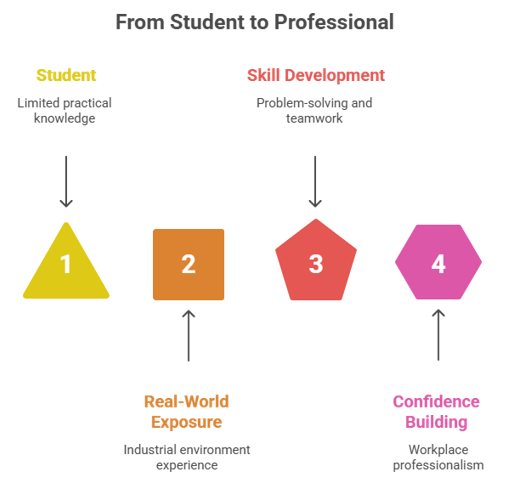
Developing Technical and Professional Skills
The industrial training programme helps students strengthen both technical and soft skills required for career growth, while participation in technical clubs in ksrce further enhances practical and industry-oriented learning. During training, students interact with professionals, engineers, and technical experts who guide them through industrial operations and project activities. This interaction helps students understand workplace communication, leadership qualities, and professional behaviour.
Industrial exposure also encourages students to improve their adaptability and decision-making skills. They gain valuable insights into industry challenges and practical problem-solving methods. Such learning experiences help students become more confident and capable in handling future professional responsibilities.
Key Areas Covered During Training:
- Industrial operations and workflows
- Technical tools and technologies
- Workplace ethics and discipline
- Team collaboration and communication
- Project execution and reporting
- Safety standards and operational procedures
The training programme also strengthens the relationship between educational institutions and industries. Collaborations with industries create opportunities for internships, industrial visits, expert lectures, and placement support that benefit students academically and professionally.
Building Career Readiness Through Industrial Exposure
An effective industrial training programme contributes significantly to student career development by combining theoretical learning with practical exposure. It prepares students to face industry challenges with confidence and professionalism.
By improving technical competency, workplace understanding, and professional skills, industrial training helps students become career-ready individuals capable of succeeding in competitive industrial environments. These benefits are also supported by research on industrial training effectiveness.